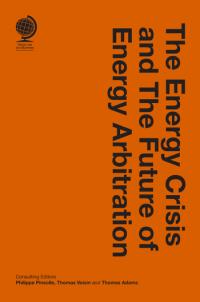

Consulting editor(s): Philippe Pinsolle, Thomas Voisin and Thomas Adams - Quinn Emanuel
Publication date: Jul 2027
Format: Hardback
Pages: 250
Price: £175.00
ISBN: 9781837232031
Notify me when this book is available and claim your 25% discount
Notify me when this book is available and claim your 25% discount
From the oil shocks of the 1970s to the 2008 global financial crisis and the disruption that followed the shale revolution, the global energy sector has weathered many crisis events. Each has left its mark, yet few have had more impact than the European energy crisis of 2022–2024. Never before had legal remedies been tested under such sustained volatility and geopolitical disruption, with international arbitration providing the primary forum in which such disputes were contested. Long-term contracts were upended, governments intervened and an unprecedented wave of disputes followed – price reviews, force majeure and hardship claims, delivery defaults, regulatory measures and contract terminations – requiring the application of legal and valuation frameworks in markets that had ceased to function normally.
The disruption is not over. Just as markets were beginning to stabilise, the Strait of Hormuz crisis renewed concerns over security of supply, price volatility and the reliability of long-term contracts. With a substantial share of the world's LNG and crude passing through the Strait, continued threats to disrupt it have revived the same legal and contractual questions that defined the European energy crisis.
With these issues very much live, there has never been a greater need for a comprehensive, practice-oriented volume drawing together lessons learned from crises and their implications for present and future disputes. While articles and reports have addressed various aspects of these developments, none has yet brought together:
- the structural market lessons revealed by extreme price dislocation and supply insecurity;
- first-hand insights from practitioners, arbitrators and experts who were directly involved in crisis-era and Hormuz-related disputes;
- a comparative analysis of how Europe, Asia-Pacific and other regions experienced, and continue to experience, these shocks differently;
- the evolution of doctrinal arguments (eg, hardship and equivalents, force majeure, good faith) under real stress;
- the quantum methodologies tested by unprecedented volatility;
- the implications for drafting the next generation of energy contracts; and
- a forward-looking assessment of what the next wave of disputes will look like as instability persists.
This book consolidates those insights into an authoritative and commercially relevant work, making it an invaluable guide for practitioners, arbitrators, in-house counsel, experts and anyone interested in the field.